

SPUP CHAMPIONS EDUCATIONAL PARADIGMS, SUSTAINABLE PEACE AT 20TH WCCI WORLD CONFERENCE IN HUNGARY
October 8, 2026
Facebook
X
Email
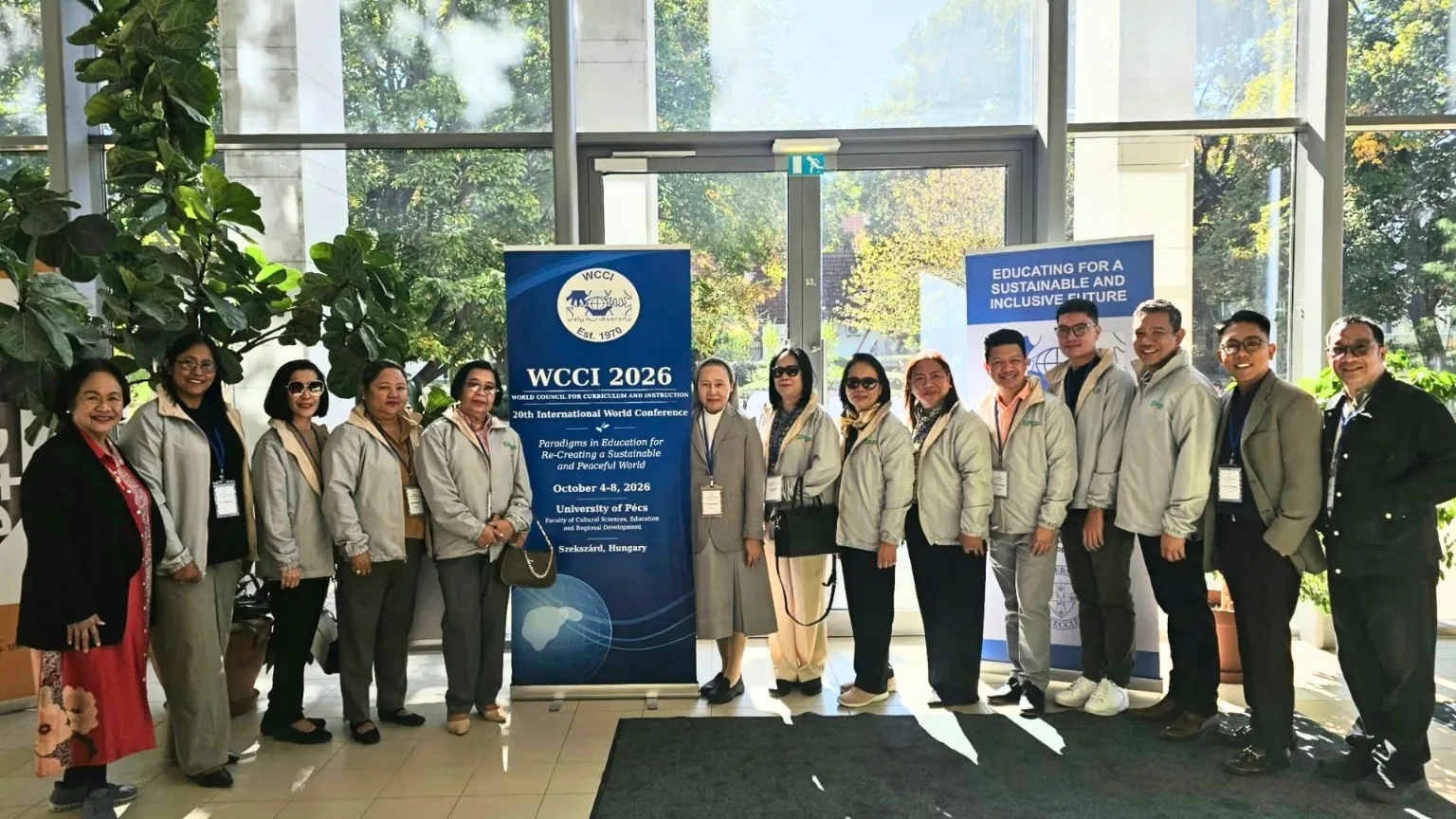
Szekszard, Hungary — A contingent of educators and academic leaders from St. Paul University Philippines (SPUP) actively participated in the 20th World Council for Curriculum and Instruction (WCCI) World Conference, held from October 4–8, 2026, at the University of Pécs, Faculty of Cultural Sciences, Education and Regional Development. With the theme “Paradigms in Education for Re-Creating a Sustainable and Peaceful World,” SPUP delegates showcased studies alongside scholars and participants from around the world, including the United States of America, Hungary, India, Turkey, Jordan, Pakistan, Nigeria, China, Ghana, and the Philippines highlighting innovative, technology-driven, and community-centered educational practices. Sr. Merceditas Ang, SPC (University President and WCCI International Board Member), led the delegation. Mrs. Belen Lim (Head, Employment & Entrepreneurship Center and WCCI International Board Member) also joined the delegation, where she chaired a concurrent paper presentation session.
A central focus of SPUP’s contributions involved leveraging modern digital frameworks to build peace and promote cross-cultural understanding. Dr. Allan Peejay M. Lappay (Director, Alumni, External Relations & Advocacies) presented findings on peace-building engagement through SPUP’s cross-cultural virtual exchange programs with international partner institutions and introduced the SPUP’s Virtual Peace-Building Education Model as a strategic framework to institutionalize cross-cultural dialogue in higher education. Complementing this, Dr. Jeremy Godofredo C. Morales (Director, Internationalization) shared research on peace and cultural adaptation among foreign students at SPUP, while Dr. Juana C. Rivera (Director, Human Resource) presented a collaborative research (with Dr. Jennie Lou G. Narciso) on marital satisfaction and love languages among Filipino couples, highlighting the role of family and Church institutions in building social harmony.
Technological integration in instruction and teacher education formed another key pillar of the research presented by SPUP faculty. Dr. Benjamin Jularbal (Director, Center for Planning, Research, Innovation & New Technologies) introduced the Intelligent Teaching and Engagement through AI (iTeachAI) Framework, demonstrating how ChatGPT-assisted discussions and personalized feedback significantly improved student performance and attitudes in Science, Technology, and Society (STS) courses. In the field of curriculum enhancement, Dr. Agripina B. Maribbay (Vice President, Academics) and Dr. Zenaida T. Estil (University Registrar) detailed their project on developing Outcomes-Based Education (OBE) teaching guides to enhance course delivery across teacher education institutions in Region 02. Additionally, Dr. Emolyn Iringan (Program Coordinator, Graduate School) provided a systematic review of mathematical modeling in Education for Sustainable Development, and Dr. Marifel Grace C. Kummer (Dean, School of Information Technology & Engineering) shared a validated instrument designed to measure curriculum agility and technological integration in higher education institutions.
Institutional development, risk mitigation, and community welfare were also thoroughly represented by SPUP researchers. Dr. Rosalinda T. Tanguilan (Director, Knowledge & Information Resource Network) presented an evaluation of mitigating actions within SPUP’s risk management frameworks, while Dr. Roldan C. Bangalan (Dean, School of Arts, Sciences and Teacher Education) discussed students’ progress toward achieving specific United Nations Sustainable Development Goals, specifically SDG 3 (Good Health and Well-Being) and SDG 4 (Quality Education). Further expanding the scope of social responsibility, Dr. Teresita T. Lasam (Director, Student Affairs & Services) detailed findings on student engagement in community activities, and Dr. John Kit S. Masigan (Publication Adviser, BEU) explored themes of male victimization and gendered silence within indigenous communities.
The active presence of SPUP scholars underscored the university’s commitment to advancing global citizenship and values-based education. By translating theoretical frameworks into practical classroom and community solutions, SPUP delegates demonstrated how higher education institutions in the Philippines played a leading role in global peacebuilding and educational reform. Immersed in the rich local traditions and vibrant cultural surrounding regions of Szekszard, Hungary, conference attendees engaged in constructive dialogues following the sessions. These meaningful exchanges helped establish prospective international collaborations that promised to further elevate SPUP’s research initiatives on the global stage.
By Dr. Benjamin Jularbal and Dr. Roldan Bangalan
LATEST NEWS
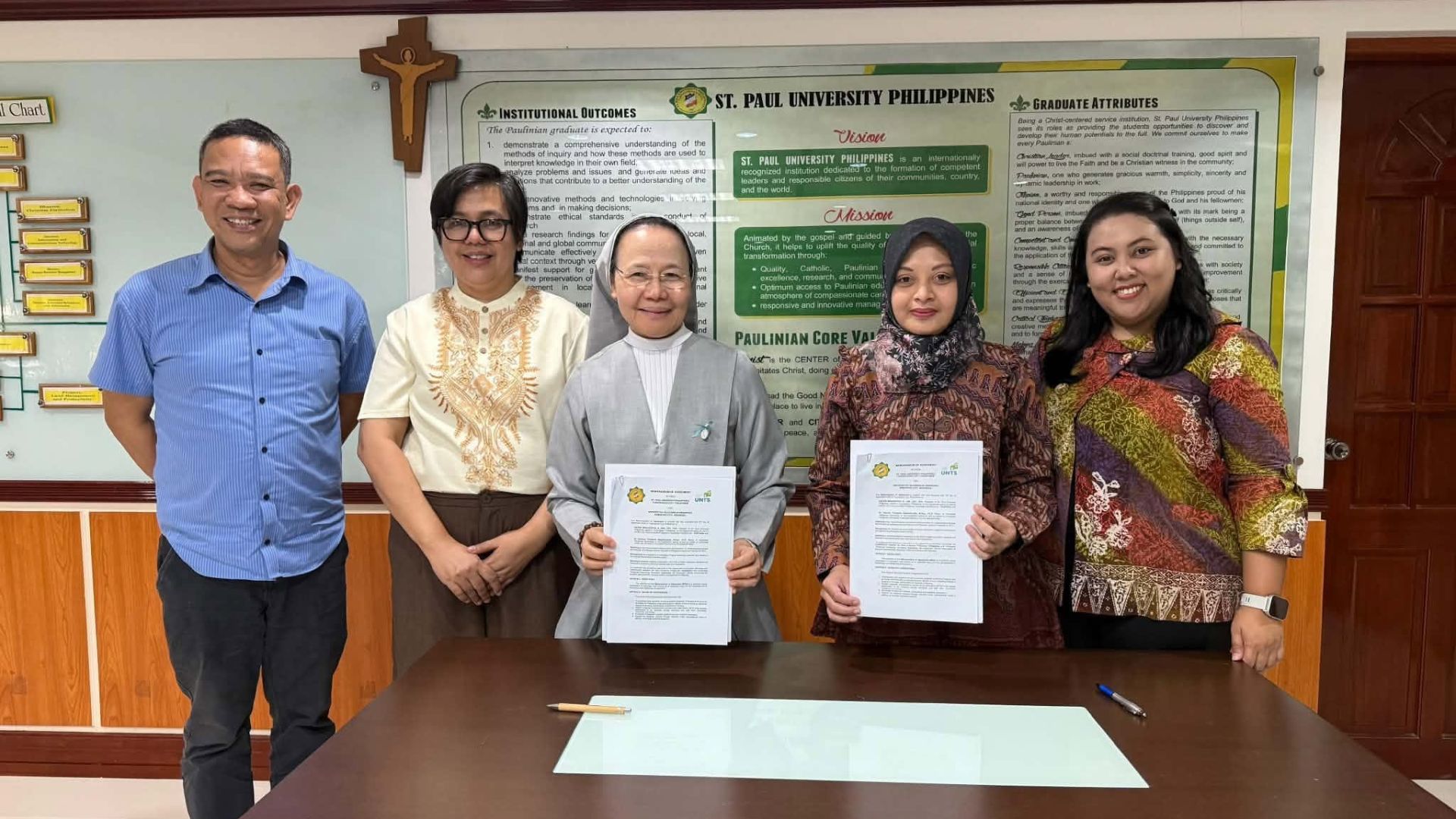
SPUP INKS AGREEMENT WITH NEW INDONESIAN PARTNER
October 19, 2026
FROM OJT TO WIL: FACULTY SESSION FOCUSES ON WORK-INTEGRATED LEARNING
October 14, 2026
